In today’s fast-paced manufacturing landscape, the shop floor data collection system with real-time OEE monitoring and performance dashboards revolutionizes how businesses track and enhance operational efficiency. Dive into this comprehensive guide to discover the power of real-time data insights in driving continuous improvement and maximizing performance.
Explore the key components, implementation process, and the role of machine learning in transforming manufacturing operations for the better. Uncover how performance dashboards and user training strategies play a vital role in ensuring seamless adoption and operational success.
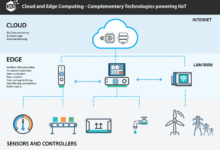
Overview of Shop Floor Data Collection System
A shop floor data collection system is a technology-driven solution that enables manufacturing facilities to capture and analyze real-time data related to production processes. This system allows companies to monitor various metrics such as machine performance, downtime, and overall equipment effectiveness (OEE) to optimize production efficiency.
Real-time OEE monitoring and performance dashboards play a crucial role in manufacturing by providing actionable insights to improve productivity, reduce downtime, and enhance overall equipment efficiency. By tracking key performance indicators in real-time, companies can make informed decisions to address issues promptly and make data-driven decisions to streamline operations.
Importance of Real-Time OEE Monitoring and Performance Dashboards
- Real-time OEE monitoring helps identify production bottlenecks and inefficiencies promptly, allowing for quick intervention to minimize downtime and maximize output.
- Performance dashboards provide visual representations of key performance metrics, making it easier for operators and managers to assess production status and performance trends at a glance.
- These systems enable continuous improvement efforts by tracking historical data, setting performance targets, and measuring progress over time to drive operational excellence.
Examples of Industries Benefiting from Such Systems
- Automotive manufacturing: Shop floor data collection systems are used to monitor and optimize the production of vehicles, ensuring efficient assembly processes and high-quality output.
- Food and beverage industry: These systems help food manufacturers track production metrics, ensure compliance with quality standards, and enhance overall operational efficiency.
- Pharmaceutical sector: Real-time monitoring of equipment performance and OEE metrics is crucial in pharmaceutical manufacturing to maintain product quality, meet regulatory requirements, and improve productivity.
Components of a Shop Floor Data Collection System
In order to have an effective shop floor data collection system, several key components are required to ensure seamless data gathering, analysis, and visualization.
Sensors and IoT Devices
Sensors and IoT devices play a crucial role in collecting real-time data from machines and equipment on the shop floor. These devices are responsible for capturing various metrics such as machine uptime, downtime, cycle times, and production counts. By using sensors and IoT devices, manufacturers can gather accurate and timely data to monitor the overall equipment effectiveness (OEE) of the production processes.
Data Collection Terminals
Data collection terminals are used by operators on the shop floor to input production data, downtime reasons, and other relevant information. These terminals provide a user-friendly interface for shop floor workers to log data in real-time, ensuring that all necessary information is captured accurately and efficiently. By utilizing data collection terminals, manufacturers can streamline the data entry process and minimize errors in data recording.
Software Integration for Data Analysis
Integration of software for data analysis and visualization is essential for deriving meaningful insights from the collected data. By using advanced analytics tools, manufacturers can track key performance indicators (KPIs), identify trends, and make data-driven decisions to improve overall production efficiency. The software also enables the creation of performance dashboards that provide a visual representation of the shop floor data, allowing stakeholders to monitor production metrics in real-time and take corrective actions when needed.
Real-Time OEE Monitoring
Overall Equipment Effectiveness (OEE) is a key performance metric in manufacturing that measures the efficiency of production equipment by taking into account availability, performance, and quality. It provides insights into how well assets are utilized and how effectively production processes are running.
Significance of Real-Time OEE Monitoring
- Real-time OEE monitoring allows manufacturers to instantly identify and address any issues that may be affecting production efficiency. This proactive approach helps minimize downtime, reduce waste, and optimize resource utilization.
- By monitoring OEE in real-time, operators and managers can make data-driven decisions to improve overall operational efficiency and meet production targets more effectively.
Examples of OEE Data Driving Continuous Improvement
- Using OEE data, a manufacturing plant identified a recurring equipment breakdown during a specific shift. By analyzing the data, the root cause was pinpointed, leading to targeted maintenance and reducing downtime significantly.
- Another example is using OEE data to track the impact of process improvements on overall equipment efficiency. By continuously monitoring OEE, manufacturers can see the direct results of their optimization efforts.
Key Performance Indicators in OEE Calculations
- Availability: Measures the percentage of time that equipment is available for production.
- Performance: Indicates the speed at which the equipment is running compared to its maximum potential.
- Quality: Reflects the rate of good quality products produced by the equipment.
Setting Up Real-Time OEE Monitoring System
- Choose a suitable OEE software solution that integrates with your existing shop floor data collection system.
- Define OEE calculation formulas based on your specific production processes and goals.
- Connect sensors and data collection devices to gather real-time data on equipment performance and production metrics.
- Implement dashboards and alerts to visualize OEE data and enable quick decision-making.
Predictive Maintenance and OEE Performance
- Predictive maintenance uses data from equipment sensors to anticipate and prevent potential breakdowns, thus improving OEE by minimizing unplanned downtime.
- Integrating predictive maintenance into real-time monitoring systems enables manufacturers to take proactive maintenance actions based on actual equipment condition rather than predefined schedules.
Manual vs. Automated Data Collection Methods
- Manual data collection is prone to errors, delays, and inaccuracy, while automated methods ensure real-time, accurate data capture for OEE calculations.
- Automated data collection reduces human intervention, streamlines data processing, and provides instant insights for timely decision-making.
Case Study: Improving OEE through Real-Time Monitoring
In a manufacturing plant, implementing real-time OEE monitoring led to a 15% increase in overall equipment effectiveness within the first three months. By identifying and addressing production bottlenecks promptly, the plant achieved a significant reduction in downtime and improved productivity across all shifts.
Performance Dashboards in Manufacturing
Performance dashboards play a crucial role in providing real-time insights and data visualization for decision-making in a manufacturing environment. These dashboards help monitor key performance indicators (KPIs) and track the overall performance of production processes.
Purpose and Benefits of Performance Dashboards
- Performance dashboards allow stakeholders to have a quick overview of the manufacturing operations and identify areas that require attention.
- They help in analyzing historical data, identifying trends, and making informed decisions to improve efficiency and productivity.
- By visualizing data in an easy-to-understand format, performance dashboards enable teams to take corrective actions promptly and optimize manufacturing processes.
Design and Customization of Performance Dashboards
- Performance dashboards can be customized to show relevant metrics and KPIs based on the user’s role and responsibilities within the organization.
- Design elements such as color coding, graphs, and charts can be tailored to highlight critical information and make data interpretation more intuitive.
- Users can choose the level of detail they want to see on the dashboard, allowing for a personalized user experience.
Real-Time vs. Historical Performance Dashboards
- Real-time performance dashboards provide instant updates on the current status of production processes, enabling quick decision-making and response to any issues.
- Historical performance dashboards focus on analyzing past data trends and patterns to identify areas for improvement and optimize future operations.
- Both types of dashboards complement each other by offering insights into different aspects of manufacturing performance.
Setting Up a Performance Dashboard with Tableau or Power BI
- Connect your data source to the business intelligence tool.
- Create visualizations based on the KPIs you want to track.
- Customize the dashboard layout and design to suit your preferences.
- Add filters and interactive elements for enhanced data exploration.
Drill-Down Capabilities in Performance Dashboards
- Drill-down features allow users to navigate through different levels of data granularity for a deeper understanding of performance metrics.
- Users can click on specific data points to view underlying details and identify root causes of performance issues.
- Drill-down capabilities facilitate comprehensive data analysis and empower manufacturing teams to make data-driven decisions.
Case Study: Impact of Performance Dashboards on Operational Efficiency
A manufacturing company implemented performance dashboards to monitor OEE in real-time and track production efficiency. By leveraging the insights from the dashboards, the company identified bottlenecks in the production line, optimized machine utilization, and reduced downtime significantly. As a result, the company saw a 15% increase in operational efficiency and a 10% reduction in production costs within the first quarter of dashboard implementation.
Implementation Process of a Shop Floor Data Collection System
Implementing a shop floor data collection system in a manufacturing facility involves several key steps to ensure a successful deployment. Organizations may face challenges during this phase, but following best practices can help streamline the process and maximize the system’s effectiveness.
Key Steps in Implementing a Shop Floor Data Collection System
- Conduct a thorough assessment of current data collection processes and identify areas for improvement.
- Define clear objectives and goals for the new system to align with the organization’s overall strategy.
- Select and implement the appropriate hardware and software components based on the specific needs of the facility.
- Train employees on how to use the new system effectively and ensure proper integration with existing workflows.
- Monitor performance and gather feedback to make continuous improvements and optimize the system over time.
Challenges Organizations May Face During Implementation
- Resistance from employees to adopt new technologies and processes.
- Data accuracy and consistency issues when transitioning from manual to automated data collection methods.
- Integration complexities with existing systems and equipment on the shop floor.
Best Practices for Successful Deployment
- Engage employees at all levels throughout the implementation process to ensure buy-in and cooperation.
- Start with a pilot project to test the system on a small scale before full deployment.
- Establish clear communication channels to address any concerns or issues that may arise during the implementation phase.
Key Components in the Design of a Data Collection System
- Sensors and IoT devices for real-time data capture.
- Data storage and processing capabilities for storing and analyzing collected data.
- Integration with existing systems such as ERP and MES for seamless data exchange.
Role of IoT Devices in Streamlining Data Collection
IoT devices play a crucial role in automating data collection processes on the shop floor by enabling real-time monitoring and data capture from various machines and equipment.
Integration of Real-Time Data Analytics
Real-time data analytics can be integrated into the system to provide actionable insights and improve decision-making processes based on up-to-date information.
Software Solutions for Shop Floor Data Collection
Commonly used software solutions for shop floor data collection include systems like Wonderware MES, Epicor MES, and Ignition MES, offering features such as data visualization, reporting, and integration capabilities.
Comparison of Hardware Options for Data Collection Systems
| Hardware Option | Pros | Cons |
|---|---|---|
| RFID Tags | Easy to implement and use for tracking | Limited range and potential interference |
| Barcode Scanners | Cost-effective and widely available | Manual scanning required, prone to errors |
| IoT Sensors | Real-time monitoring and data capture | Initial investment cost may be high |
Data Collection Methods on the Shop Floor
Efficient data collection methods are crucial for real-time monitoring on the shop floor. Let’s explore various techniques and their implications.
Manual Data Entry vs. Automated Data Collection
- Manual Data Entry: Involves human operators entering data into systems, which can be time-consuming and prone to errors.
- Automated Data Collection: Utilizes sensors, machines, and software to collect data automatically, reducing human error and increasing efficiency.
Accuracy and Reliability of Data Collection Methods
Automated data collection methods are generally more accurate and reliable compared to manual entry, as they minimize human intervention and errors.
RFID Technology in Data Collection
RFID (Radio Frequency Identification) technology uses electromagnetic fields to automatically identify and track tags attached to objects. It is widely used for inventory management and tracking on the shop floor.
IoT for Real-Time Data Collection
The Internet of Things (IoT) enables devices, sensors, and machines to communicate and share data in real-time, enhancing visibility and efficiency in manufacturing operations.
Cost Implications of Data Collection Methods
| Method | Cost |
|---|---|
| Manual Data Entry | Higher due to labor costs and potential errors. |
| Automated Data Collection | Initial investment might be higher, but cost-effective in the long run due to increased accuracy and efficiency. |
Barcode Scanning for Data Collection
Barcode scanning involves using optical machine-readable labels to track and manage inventory, products, and assets. It speeds up data collection processes and reduces errors.
Impact of Data Collection Accuracy on Decision-Making
Accurate data collection is crucial for informed decision-making in manufacturing operations. Reliable data ensures that decisions are based on real-time insights, leading to improved productivity and efficiency.
Integration with Manufacturing Equipment
Integrating a shop floor data collection system with existing manufacturing equipment is crucial for maximizing operational efficiency and streamlining production processes. This integration allows for real-time data capture, analysis, and monitoring directly from the machines on the shop floor, providing valuable insights for decision-making and process optimization.
Compatibility Requirements for Seamless Integration
To ensure seamless integration between a shop floor data collection system and manufacturing equipment, compatibility requirements must be met. This includes:
- Compatibility with various types of machines and equipment commonly used in the manufacturing process.
- Integration capabilities with different communication protocols such as OPC, Modbus, or Ethernet/IP.
- Scalability to accommodate future equipment additions or upgrades.
- Reliability and stability to handle large volumes of real-time data without delays or disruptions.
Examples of Enhanced Operational Efficiency
Integrating shop floor data collection systems with manufacturing equipment can greatly enhance overall operational efficiency by:
- Providing real-time visibility into machine performance and production metrics.
- Enabling predictive maintenance based on machine data analysis to prevent unplanned downtime.
- Optimizing production schedules and resource allocation based on real-time OEE and performance data.
- Facilitating continuous improvement initiatives by identifying bottlenecks, inefficiencies, and opportunities for optimization.
Data Security and Privacy Considerations
Data security and privacy are crucial aspects of shop floor data collection systems to protect sensitive information and ensure the integrity of data. Implementing robust measures is essential to prevent unauthorized access and maintain compliance with regulations.
Importance of Data Security
Ensuring data security on the shop floor is vital to safeguard sensitive manufacturing data from unauthorized access or tampering. By protecting the integrity of the data collected, manufacturers can maintain trust in the accuracy and reliability of their performance metrics.
- Implementing access controls: Limiting access to data collection systems to authorized personnel only helps prevent unauthorized users from compromising sensitive information.
- Encrypting data transmission: Utilizing encryption protocols when transmitting data between devices or systems adds an extra layer of security to prevent interception by malicious actors.
- Regular security audits: Conducting routine security audits and assessments can help identify vulnerabilities and address them promptly to enhance overall data security.
Privacy of Collected Data
Protecting the privacy of collected data is essential to comply with regulations such as GDPR and industry-specific requirements. Manufacturers must ensure that personally identifiable information (PII) and sensitive production data are handled securely and in accordance with data protection laws.
- Data anonymization: Removing or encrypting personally identifiable information from collected data helps protect the privacy of individuals involved in the manufacturing process.
- Data retention policies: Establishing clear guidelines on how long data should be retained and when it should be securely disposed of helps prevent unnecessary exposure of sensitive information.
- User training: Providing training to employees on data privacy best practices and security protocols can help mitigate risks associated with human error or negligence.
Compliance Requirements
Adhering to regulations such as GDPR, HIPAA, or industry-specific standards is essential for manufacturers to avoid legal repercussions and maintain trust with customers. Compliance requirements dictate how data should be handled, stored, and protected to ensure the privacy and security of sensitive information.
Failure to comply with data security and privacy regulations can result in hefty fines, legal penalties, and reputational damage for manufacturing companies.
Role of Machine Learning and AI
Machine learning and AI technologies play a crucial role in enhancing real-time OEE monitoring, predictive maintenance, and overall optimization of manufacturing operations. These advanced technologies provide valuable insights into equipment performance, identify inefficiencies, and predict potential downtime, leading to more efficient and productive manufacturing processes.
Enhanced Real-Time OEE Monitoring and Performance Insights
Machine learning and AI algorithms analyze real-time data from shop floor equipment to provide valuable insights into OEE performance. By continuously monitoring equipment metrics, these technologies can detect patterns, anomalies, and trends that may indicate potential issues or inefficiencies. This proactive approach allows manufacturers to address problems quickly, optimize production processes, and maximize equipment utilization.
- Machine learning algorithms can detect patterns in equipment performance data to predict potential downtime and suggest preventive maintenance actions.
- AI technologies can identify factors contributing to low OEE scores and recommend corrective measures to improve overall equipment effectiveness.
- Real-time performance dashboards powered by AI provide actionable insights for operators and managers to make informed decisions and optimize production efficiency.
Predictive Maintenance Capabilities and Resource Optimization
AI-enabled predictive maintenance capabilities help manufacturers anticipate equipment failures before they occur, schedule maintenance activities proactively, and optimize maintenance resources effectively. By leveraging machine learning algorithms to analyze historical data and equipment performance trends, manufacturers can minimize downtime, reduce maintenance costs, and extend the lifespan of their machinery.
- AI algorithms can predict the remaining useful life of equipment components and recommend maintenance actions to prevent unexpected failures.
- Machine learning models can optimize maintenance schedules based on equipment usage patterns, production demands, and resource availability.
- Predictive maintenance driven by AI helps manufacturers allocate maintenance resources efficiently, reducing downtime and improving overall equipment reliability.
Optimization of Manufacturing Operations through AI-Driven Insights
AI-driven insights not only enhance real-time OEE monitoring and predictive maintenance but also optimize manufacturing operations by improving production efficiency, reducing operational costs, and maximizing equipment utilization through data-driven decision-making. By harnessing the power of machine learning and AI, manufacturers can streamline processes, identify bottlenecks, and drive continuous improvement in their operations.
- AI technologies can analyze production data to identify opportunities for process optimization and performance enhancement.
- Machine learning algorithms can optimize production schedules, inventory management, and resource allocation to maximize efficiency and minimize waste.
- Data-driven decision-making enabled by AI helps manufacturers adapt to changing market conditions, customer demands, and supply chain disruptions, ensuring agile and competitive manufacturing operations.
User Training and Adoption Strategies
Training shop floor personnel on using the data collection system is crucial for successful implementation and utilization within the organization. To ensure high user adoption rates and foster a culture of data-driven decision-making, the following strategies can be implemented:
Hands-On Training Sessions
Hands-on training sessions play a vital role in familiarizing shop floor personnel with the data collection system. By providing practical experience and real-time guidance, employees can better understand how to effectively use the system in their daily tasks.
Interactive Workshops and Engagement
Conducting interactive workshops can encourage user engagement and adoption of new technologies. These workshops should involve practical exercises, group discussions, and demonstrations to showcase the benefits and functionalities of the data collection system.
Real-Life Scenarios and Examples
Utilizing real-life scenarios and examples during training can help employees see the practical application of the data collection system in their work environment. By demonstrating how the system can improve efficiency and productivity, users are more likely to embrace the technology.
Incentivizing Employee Participation
Implementing a rewards system or recognition program can incentivize employees to actively participate in using the data collection system. By acknowledging and rewarding users for their efforts, organizations can motivate employees to engage with the system consistently.
Ongoing Support and Resources
Providing ongoing support and resources for users is essential to address any challenges or questions they may have during the adoption process. This includes offering training materials, help guides, and access to a dedicated support team to assist users as needed.
Setting Measurable Goals and Milestones
Setting measurable goals and milestones is key to tracking user progress and ensuring continuous improvement in utilizing the data collection system. By defining clear objectives and monitoring user performance, organizations can drive accountability and enhance user proficiency over time.
Continuous Improvement through Data Analysis
Data analysis plays a crucial role in driving continuous improvement initiatives in manufacturing processes. By collecting and analyzing data from the shop floor system, businesses can identify bottlenecks, inefficiencies, and areas for enhancement. Let’s delve into how data analysis can lead to process improvements and operational excellence.
Identifying Bottlenecks and Inefficiencies
- Utilize data analysis to pinpoint bottlenecks and inefficiencies in the production process.
- Identify areas where production is slowing down or where resources are being underutilized.
- Analyze downtime data to understand the root causes of equipment failures and address them effectively.
Successful Process Improvements based on Data Insights
- Implement predictive maintenance schedules based on equipment performance data to reduce downtime.
- Optimize production schedules by analyzing historical data on machine utilization and output.
- Improve quality control processes by identifying trends in defect rates and taking corrective actions.
Data Collection Process
- Set up automated data collection processes to gather real-time information from machines and operators.
- Ensure data integrity by validating and verifying the accuracy of the collected data.
- Store data securely in a centralized database for easy access and analysis.
Key Performance Indicators (KPIs)
- Monitor KPIs such as Overall Equipment Effectiveness (OEE), cycle time, downtime, and scrap rates to assess performance.
- Use KPIs to track progress towards operational goals and identify areas for improvement.
- Compare KPIs against industry benchmarks to gauge competitiveness and efficiency.
Visual Representation of Data
- Create charts, graphs, and dashboards to visualize shop floor data for better understanding.
- Use visual representations to communicate trends, patterns, and anomalies in the data effectively.
- Utilize data visualization tools to present actionable insights to the management team.
Root Cause Analysis
- Conduct root cause analysis on issues identified through data analysis to address underlying problems.
- Utilize tools like the 5 Whys technique to delve deep into the root causes of production issues.
- Implement corrective actions based on root cause analysis findings to prevent recurrence of problems.
Regular Data Reviews and Updates
- Establish a schedule for regular data reviews to track progress and identify new areas for improvement.
- Update data analysis processes and tools to adapt to changing production requirements and challenges.
- Engage cross-functional teams in data review meetings to foster collaboration and knowledge sharing.
Communication of Data-Driven Insights
- Develop clear and concise reports summarizing data-driven insights for team members and stakeholders.
- Present data analysis findings in a structured manner, highlighting key takeaways and actionable recommendations.
- Encourage open communication and feedback from team members on implementing process improvements based on data insights.
Scalability and Flexibility of the System
When it comes to shop floor data collection systems, scalability and flexibility are crucial factors that determine the system’s effectiveness in different manufacturing environments. These aspects play a significant role in ensuring that the system can adapt to changing production needs and processes, ultimately future-proofing operations.
Scalability for Different Manufacturing Scales
Scalability refers to the system’s ability to handle varying levels of data and operations as the manufacturing scale changes. For small-scale manufacturing operations, the system should be able to efficiently collect and analyze data without overwhelming the resources. On the other hand, for large-scale manufacturing facilities, the system should scale up seamlessly to manage the increased volume of data and processes.
Adapting to Changing Production Needs
Flexibility in the system architecture is essential for adapting to evolving production needs. By having modular components that can be easily customized or upgraded, the system can accommodate new manufacturing processes, equipment, or data requirements without the need for a complete overhaul. This adaptability ensures that the system remains relevant and effective in meeting the changing demands of the manufacturing environment.
Importance of Flexible System Architecture
A flexible system architecture not only allows for easy adaptation to changing production needs but also future-proofs operations by enabling quick adjustments to new technologies or industry trends. By incorporating scalability and flexibility into the system design, manufacturers can ensure that their shop floor data collection system remains agile and capable of supporting continuous improvement initiatives.
Case Studies and Success Stories
In this section, we will explore real-world examples of companies that have successfully implemented shop floor data collection systems. We will highlight the challenges they faced, the solutions they implemented, and the outcomes they achieved. Additionally, we will discuss the impact of these systems on productivity, quality, and overall business performance.
Company A: Improving Productivity
Company A, a manufacturing firm, implemented a shop floor data collection system to track machine downtime and optimize production schedules. The challenge they faced was the lack of real-time visibility into machine performance, leading to inefficiencies and delays. By integrating their equipment with the data collection system, they were able to monitor OEE in real-time and identify bottlenecks quickly. This allowed them to make data-driven decisions to improve productivity.
- Implemented automatic data capture from machines
- Utilized performance dashboards to track OEE metrics
- Analyzed historical data to identify trends and areas for improvement
- Implemented preventive maintenance schedules based on machine performance
As a result of the system implementation, Company A saw a 15% increase in overall equipment effectiveness and a 20% reduction in unplanned downtime.
Company B: Enhancing Quality Control
Company B, a food processing plant, faced challenges with maintaining consistent product quality across multiple production lines. By implementing a shop floor data collection system, they were able to monitor critical control points in real-time and ensure compliance with quality standards. The system enabled them to track production parameters, such as temperature and humidity, and take corrective actions immediately when deviations occurred.
- Set up alerts for out-of-specification conditions
- Integrated data collection system with quality management software
- Provided real-time feedback to operators for process adjustments
- Conducted root cause analysis for quality issues based on collected data
Thanks to the data collection system, Company B achieved a 30% reduction in product defects and a 25% improvement in customer satisfaction ratings.
Last Word
As we conclude our exploration of shop floor data collection systems with real-time OEE monitoring, remember that harnessing the potential of data-driven decision-making is key to staying ahead in the competitive manufacturing industry. By embracing scalable and flexible systems, businesses can pave the way for continuous improvement and sustainable growth.
